Startups · Maritime · Workforce
The Boating Industry Has a Hiring Problem. BoatingMatch Is Building the Solution.
Finding a boat to charter has never been easier. Finding a qualified captain, crew, or marine professional to run one is a different problem entirely, and it has gone largely unsolved for decades.
Every day across South Florida, boat owners post on Facebook groups looking for deckhands. Charter operators text their way through informal networks trying to find a reliable mate for the weekend. Marina managers spend hours on the phone before they can fill a dock staff position. The process is slow, fragmented, and largely unchanged from how it worked twenty years ago.
The boating industry has modernized in almost every other direction. Navigation systems, booking software, vessel tracking, digital payments. But the way marine professionals find work, and the way employers find marine professionals, has remained stubbornly analog.
BoatingMatch, the Fort Lauderdale platform best known for its luxury yacht charter marketplace and Smart Dock Boarding verification system, is now expanding into that gap. The company is developing a dedicated employment and opportunity marketplace built specifically for the marine industry, designed to connect professionals across the full range of roles that keep the boating world running.
A Workforce Larger Than Most People Realize
The boating industry is easy to underestimate. From the outside, it looks like captains and charter guests. From the inside, it is a sprawling workforce of licensed mariners, mechanics, stewards, dock masters, yacht brokers, detailers, fishing guides, water sports instructors, marine electricians, hospitality staff, and delivery specialists, all operating in an industry where finding the next job or the next hire still depends heavily on knowing the right person in the right marina.
That reliance on personal networks and informal channels creates serious inefficiencies. Skilled professionals miss opportunities that never reached them. Employers spend weeks searching across scattered platforms before filling a position. And as boating participation in the United States has grown steadily following the pandemic, the demand for qualified marine talent has outpaced the infrastructure for finding it.
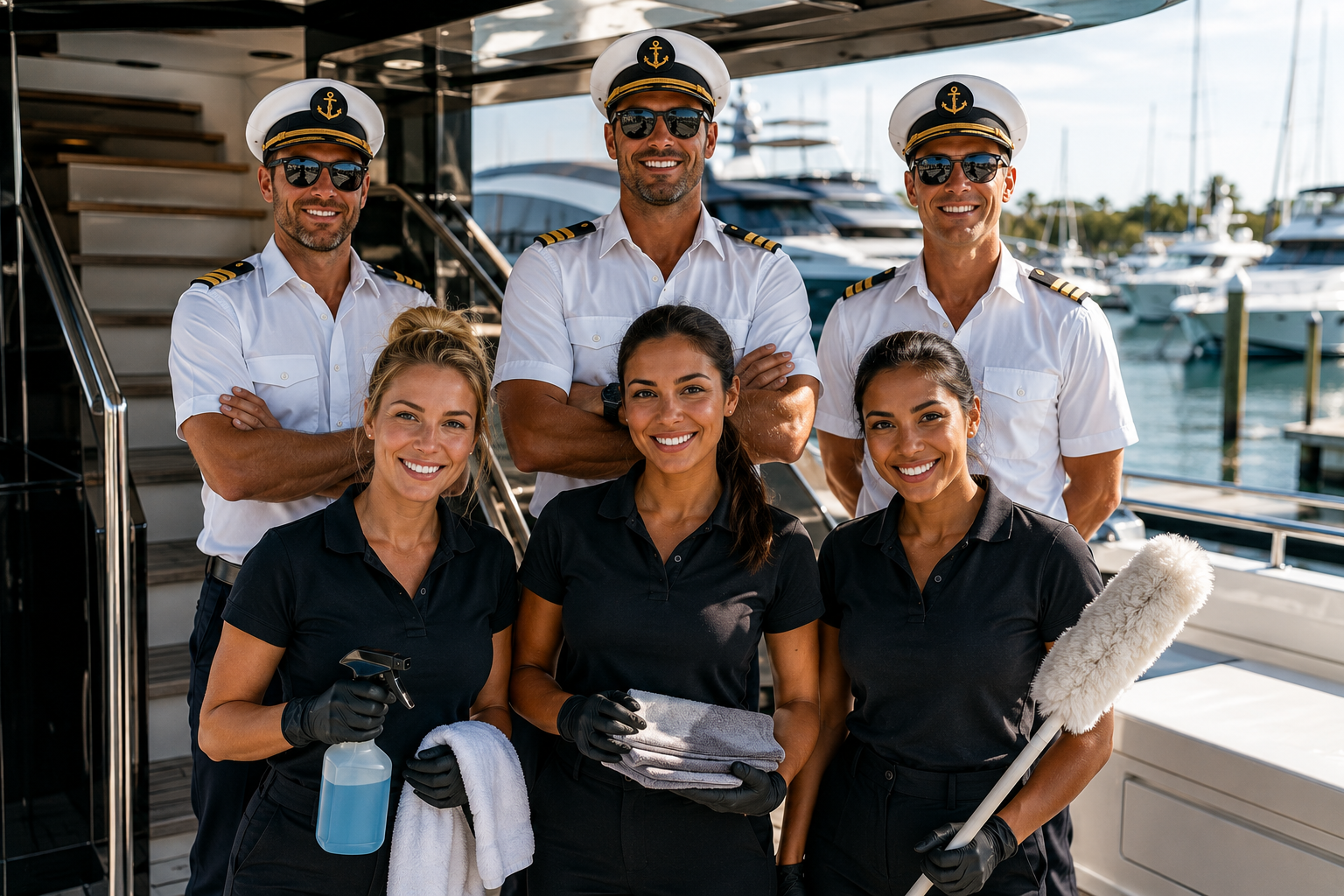
Demand for licensed captains, crew, and marine service professionals is rising across South Florida.
One Platform, the Entire Ecosystem
The approach BoatingMatch is taking is not to aggregate job boards or scrape listings from existing sites. The goal is a dedicated environment where marine professionals build verified profiles that travel with them across employers, showcasing certifications, sea time, endorsements, and the kind of industry-specific experience that a generic resume format cannot capture.
On the employer side, the pitch is the same as the consumer side of the platform. Instead of posting on a general job board and filtering through applications from people with no marine background, operators can search a pool of professionals who have already identified themselves as part of the industry.
The scope of the planned marketplace covers roles that span the full marine ecosystem. Captains and first mates. Deckhands and yacht stewards. Dock masters and marina staff. Boat detailers and cleaners. Marine mechanics and electricians. Charter coordinators and yacht management professionals. Event coordinators and hospitality staff. The breadth reflects how BoatingMatch has positioned itself from the beginning, as a platform for the entire boating industry rather than a niche tool for a single use case.
The Infrastructure Play
What makes the hiring expansion notable is how it fits with the rest of what the company has built. BoatingMatch already connects vessel owners, charter captains, and renters through a booking layer that includes verified digital boarding records, AI-powered guest communication, and real-time fleet management. Adding a professional network for marine workers extends that infrastructure further down the value chain.
The long-term architecture looks something like a LinkedIn for maritime professionals, but embedded inside a platform that already handles the bookings, boarding, and payments that define day-to-day operations in the industry. A captain who gets hired through the platform can then use the same system to manage departures, communicate with guests, and build a verified history of charters. The profile does not end when the job search does.
For the boating industry, which has spent decades watching other service sectors get rebuilt from the ground up by technology platforms, the question is whether this approach can gain the critical mass needed to replace informal hiring networks. The advantage BoatingMatch has over a standalone job board is that it is already where a meaningful portion of the industry's bookings happen. The professionals it wants to reach are already operating in the world the platform serves.
"The boating industry has modernized vessels, navigation, and customer experiences. Hiring should evolve as well."
BoatingMatch, Fort Lauderdale
Whether it succeeds at that depends on how quickly marine professionals decide that a centralized platform serves them better than the text message from a contact they met three seasons ago. In a relationship-driven industry, that is not a small shift to ask for. But the economics of the current system, missed opportunities on both sides and weeks of searching that should take days, make the case for change difficult to argue against.
Related
Daniel Simao
Editor in Chief, TechGlobal.news
Daniel Simao covers AI, emerging technology platforms, and the global economic implications of automation. He founded TechGlobal.news to provide technology readers with a more deliberate, signal-first news experience.